Trees make Virginia properties cooler, more beautiful, and more valuable, but they also face pressure from insects, fungi, bacteria, soil problems, storm damage, and changing weather. In Blacksburg, Roanoke, and the New River Valley, homeowners may notice leaf spots, dead branches, thinning canopies, bark wounds, or mushrooms near the base of a tree before they understand what is happening.
Tree disease can move slowly, or it can seem to appear all at once after a wet spring, drought, construction project, or harsh storm season. In this guide, we’ll outline the most common tree diseases in Virginia and how arborists treat them.
Why Tree Disease Diagnosis Matters
Many tree diseases share similar symptoms. Yellow leaves can point to a fungal infection, poor drainage, compacted soil, drought stress, insect activity, root damage, or a combination of issues.
A correct diagnosis helps protect the tree and the rest of the landscape. It also helps homeowners avoid unnecessary treatments, especially when a tree needs pruning, soil care, monitoring, or removal instead of chemical control.
Anthracnose
Anthracnose is a fungal disease that affects many ornamental and forest trees. Sycamore, white oak, elm, dogwood, and maple trees can all experience severe anthracnose problems, although other species can show symptoms as well.
Homeowners may see blotched leaves, curled foliage, early leaf drop, twig dieback, or brown areas along leaf veins. Cool, wet spring weather can make symptoms more noticeable because moisture helps many fungal diseases spread.
How Arborists Treat Anthracnose
An arborist starts by confirming the host tree and the pattern of damage. Light anthracnose may not require aggressive treatment, especially if the tree has good overall vigor and continues to leaf out well.
Treatment may include pruning dead or infected twigs, improving airflow in the canopy, removing fallen leaves when practical, and reducing stress around the root zone. In higher-value trees or repeated severe cases, an arborist may recommend a timed fungicide plan before symptoms advance.
Fire Blight
Fire blight is a bacterial disease that affects plants in the rose family, including apple, pear, crabapple, and some ornamental trees. Fire blight is a damaging disease for pome fruit trees, and is endemic in Virginia.
The disease can give a scorching appearance to blossoms, shoots, and twigs, as if fire passed over the tree. Infected shoots may curl at the tips, and cankers can form on branches, limbs, trunks, or rootstock.
How Arborists Treat Fire Blight
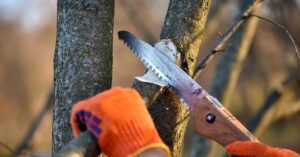
Arborists treat fire blight with careful timing and sanitation. They prune infected branches during dry conditions, make cuts below visible symptoms, and disinfect tools to reduce the chance of spreading bacteria.
Treatment may also include improving tree structure, reducing overly vigorous growth, and avoiding unnecessary nitrogen fertilizer. In some situations, an arborist may recommend preventive applications during bloom, especially for valuable susceptible trees.
Cedar Apple Rust
Cedar apple rust is a fungal disease that needs two host groups to complete its life cycle: junipers, such as eastern redcedar, and apple-family trees. Eastern redcedar acts as an alternate host for cedar apple rust, which can harm apple trees while causing only minor effects on redcedars.
On apple or crabapple trees, homeowners may see orange spots on leaves, early leaf drop, or fruit blemishes. On junipers, the disease can form orange, gelatin-like growths during wet spring weather.
How Arborists Treat Cedar Apple Rust
An arborist checks both the affected tree and nearby host plants. Since the disease moves between hosts, treatment can involve pruning infected juniper galls where practical, selecting resistant varieties for future plantings, and improving spacing.
Fungicide treatments must follow the disease cycle, so timing matters. Once orange leaf spots become obvious, it may be too late in the season for prevention, but an arborist can build a plan for the following spring.
Oak Decline
Oak decline is not always one single disease. It can result from several stressors working together, including drought, extreme storms, construction damage, age, insects, and pathogens. White oak group trees, including white oak and chestnut oak, have shown a significant decline in parts of Virginia.
Homeowners may notice thinning crowns, dead upper branches, smaller leaves, early leaf browning, or branch dieback. Because oaks are large, heavy trees, decline can create safety concerns near homes, driveways, and outdoor living areas.
How Arborists Treat Oak Decline
An arborist examines the canopy, trunk, root flare, surrounding soil, and recent site changes. Root cutting, grading, trenching, and nearby construction can damage trees and contribute to decline, especially when roots lose access to water and oxygen.
Treatment focuses on reducing stress and improving growing conditions. Arborists may recommend watering during dry spells, adding wood chips around the root zone, protecting roots from further disturbance, pruning deadwood, and monitoring structural risk.
Verticillium Wilt
Verticillium wilt is a vascular disease, which means it interferes with the tree’s internal water movement. It’s a serious wilt disease and affects many shade trees and woody ornamentals, with maples strongly associated with the disease. Symptoms can include wilting leaves, branch dieback, sparse growth, leaf scorch, and sudden decline on one side of the tree.
How Arborists Treat Verticillium Wilt
Arborists may prune dead branches, improve irrigation practices, protect the root zone, and reduce other stresses that weaken the tree. They may also recommend lab testing when symptoms resemble other problems.
There is no simple cure once the pathogen becomes established in a tree. If removal becomes necessary, an arborist can recommend replacement species with better resistance instead of planting another highly susceptible tree in the same spot.
Root Rot and Crown Problems
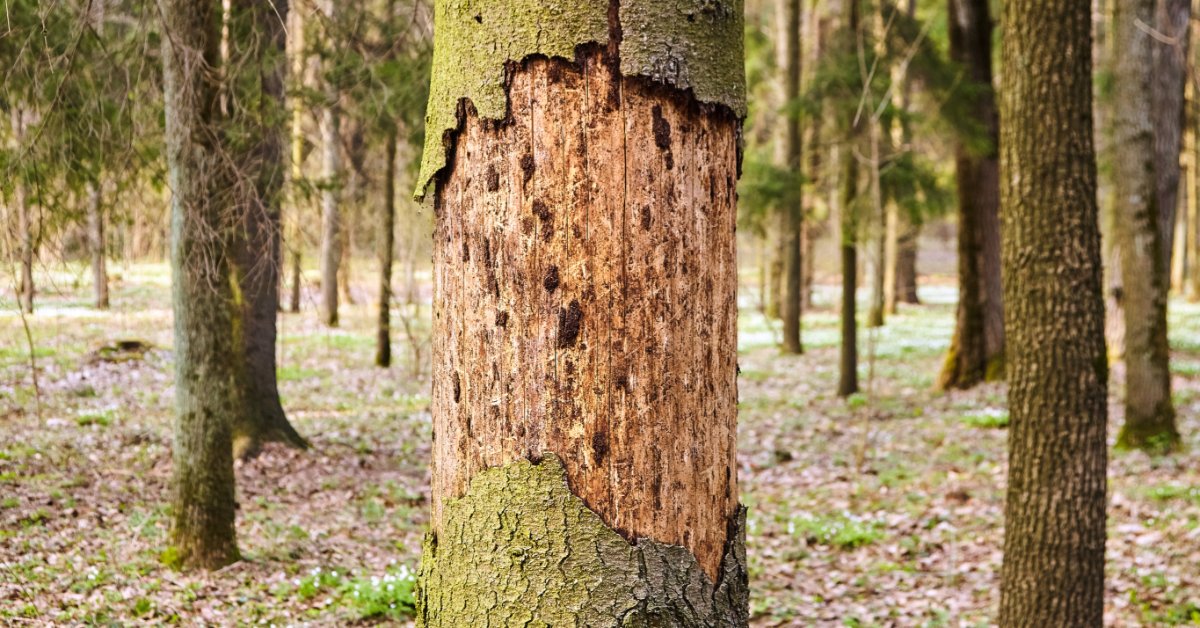
Root problems can develop when soil stays too wet, drainage fails, mulch sits against the trunk, or roots suffer injury from construction, grading, or compaction. These problems can weaken trees, limit oxygen around the roots, and make trees more vulnerable to pests, decay, and disease.
The signs can be subtle at first. A tree may grow slowly, produce small leaves, show canopy thinning, develop dieback, or loosen in the soil as roots decay.
How Arborists Treat Root Issues
An arborist investigates the root flare, soil grade, drainage, mulch depth, irrigation, and nearby hardscaping. Treatment may include correcting mulch volcanoes, improving drainage, reducing excess irrigation, exposing a buried root flare, and protecting the root zone from compaction. If the tree is unstable, the arborist may recommend removal.
When Homeowners Should Call an Arborist
Next to understanding common tree diseases and how arborists treat them, homeowners must know when it’s time to call in a professional. Homeowners should call an arborist when a tree has large dead limbs, rapid leaf loss, trunk cracks, mushrooms near the base, sawdust, oozing wounds, sudden leaning, or dieback near structures. They should also call when symptoms return year after year, or when a valuable shade tree begins to decline.
Valley Tree provides professional arborist care for residential and commercial properties in Roanoke, the New River Valley, and surrounding Southwest Virginia communities. We offer free assessments, pruning, tree treatments, and insect and disease control.
Protect Your Trees With the Right Care
Tree disease treatment starts with knowing what is wrong, why it is happening, and whether the tree can recover safely. If you see signs of disease on your trees in Blacksburg, Roanoke, or the New River Valley, contact Valley Tree to schedule a free consultation and ask about our arborist services for diagnosis, treatment, pruning, and long-term tree care.