Trees are a vital component of Virginia’s residential landscapes, contributing significant value and aesthetic appeal to properties. However, these natural assets require consistent care to maintain their health and structural integrity, as neglect can transform them into dangerous liabilities.
Proactive, routine maintenance is crucial for protecting your trees and the safety of your property, especially given Virginia’s variable weather. Keep reading to understand how homeowners benefit from routine tree maintenance.
The Critical Role of Tree Maintenance in Virginia
Virginia experiences a diverse climate that tests the resilience of local flora. Hot, humid summers promote rapid growth but also increase the risk of fungal diseases and pest infestations. Conversely, winter brings ice storms and heavy snow that weigh down branches, causing structural failures. A well-maintained tree has a strong structure that can withstand high winds and heavy ice loads, significantly reducing the risk of storm damage.
Property value relies heavily on the condition of the landscaping. Mature, healthy trees frame the home, provide privacy, and create a welcoming atmosphere. Alternatively, a property littered with dead branches or decaying trunks suggests neglect and can lower market appeal. By investing in regular care, homeowners protect the financial equity of their outdoor spaces.
Identifying Common Tree Problems in Virginia
Several specific challenges threaten trees in Virginia. The humid climate creates an ideal environment for fungal infections, including powdery mildew and root rot. These issues can begin subtly, with discolored leaves or minor dieback, before progressing to systemic decline. Without intervention, these diseases compromise the tree’s ability to transport water and nutrients, eventually leading to death.
Pest infestations also pose a severe threat. The Emerald Ash Borer has devastated ash populations across the state, while scale insects and aphids weaken trees by feeding on sap. Early detection remains the most effective defense against these invaders. Routine inspections enable the identification of pest activity before populations grow and cause irreversible damage.
Maximizing Health Through Regular Pruning
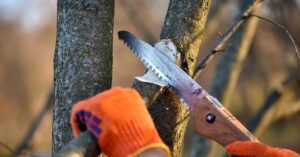
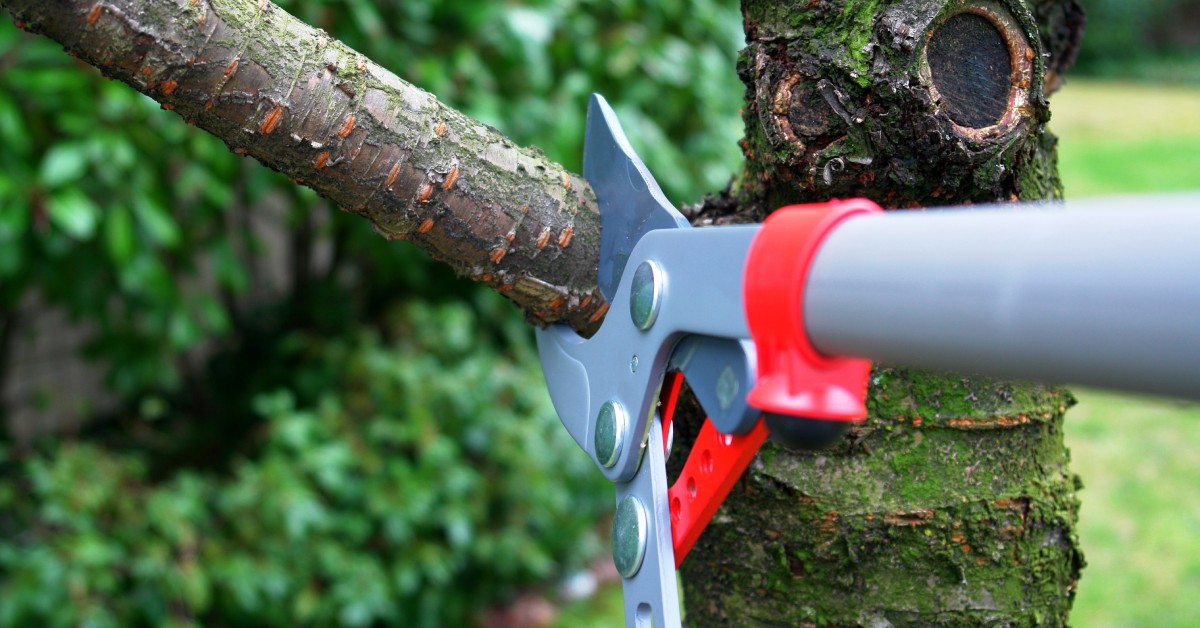
Pruning stands as the cornerstone of effective tree maintenance. This process involves selectively removing branches to improve tree structure and health. For young trees, developmental pruning establishes a strong central leader and proper branch spacing, which prevents structural issues as the tree matures. For older trees, maintenance pruning focuses on removing dead, dying, or diseased wood that can provide entry points for pests and decay.
Proper pruning also enhances air circulation and sunlight penetration within the canopy. Greater airflow reduces the moisture that fuels fungal growth, while better sunlight exposure encourages vigorous foliage. From a safety perspective, pruning removes hazardous limbs that overhang roofs, driveways, or pedestrian areas. This proactive measure prevents injury and property damage, ensuring that the tree remains a safe component of the landscape.
The Necessity of Professional Tree Inspections
Now that homeowners understand the benefits of routine tree maintenance, they should also understand why it’s best to let professionals handle this care. An untrained eye may miss the subtle signs of a struggling tree. Professional Virginia tree services provide a comprehensive assessment of tree health and stability. ISA Certified Arborists possess the training to identify structural weaknesses, soil deficiencies, and early symptoms of disease that homeowners might overlook.
These evaluations can reveal hidden hazards. For instance, a tree may look healthy on the outside while suffering from internal decay that compromises its stability. Arborists use special tools to detect hollows and assess wood density. They also examine the soil conditions, looking for compaction or nutrient imbalances that hinder root growth.
Choosing a Reliable Tree Care Service
When selecting a tree care provider, homeowners should prioritize companies that employ ISA-certified arborists. This certification indicates that the individual has a high level of knowledge in the art and science of arboriculture.
Reputable tree care companies also carry adequate liability insurance and workers’ compensation coverage. This protects the homeowner from financial liability in the event of an accident or property damage during the job. Homeowners should request written estimates and ask for references to verify the quality of work. Avoiding “door knockers” or individuals who solicit work without verifiable credentials safeguards your property from substandard practices.
Understanding the Cost of Tree Maintenance
Many homeowners view tree care as an optional expense, but it is more accurately an investment. The cost of routine maintenance pales in comparison to the expense of removing a large, hazardous tree or repairing the damage a fallen limb may cause. Preventive care extends the tree’s lifespan and spreads the cost of management over time.
Several factors influence the price of tree services. The size and location of the tree play a major role; a large oak looming over a house requires more time and rigging than a small dogwood in an open yard. The specific service—whether it be pruning, fertilization, or pest treatment—also dictates the cost. While it may be tempting to choose the lowest bid, extremely low prices typically reflect a lack of insurance or professional training.
The Risks of DIY Tree Care
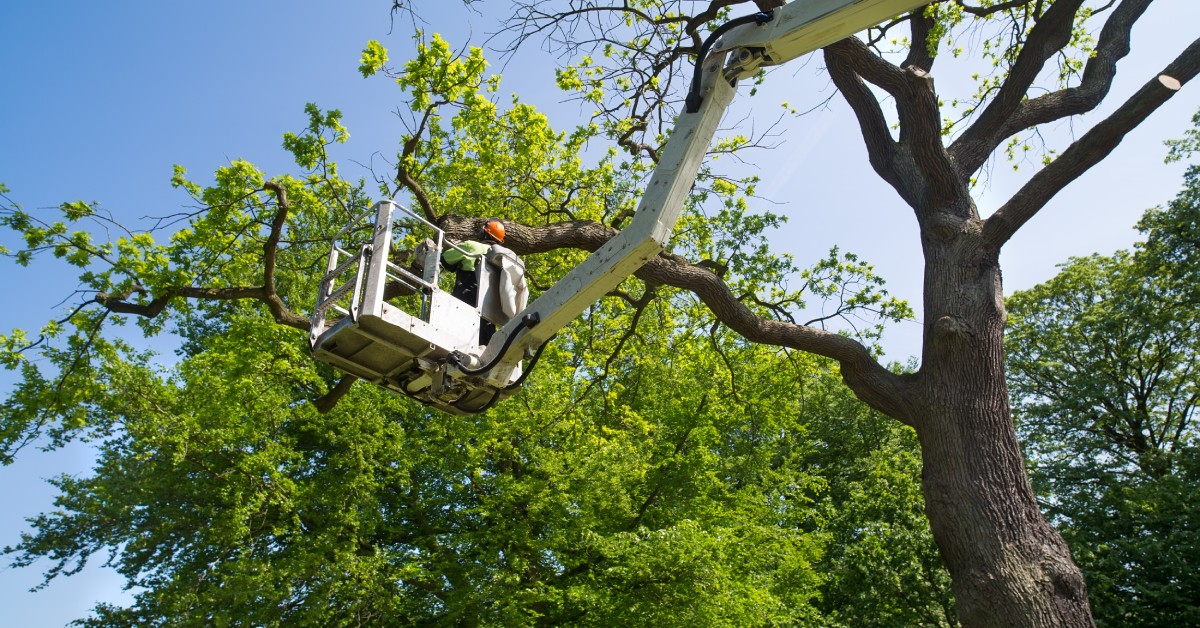
The availability of chainsaws and ladders at hardware stores leads some homeowners to attempt tree work themselves. However, arboriculture is among the most dangerous professions in the United States. Working at heights with sharp tools requires special training and safety gear. A simple mistake can cause severe injury or fatal accidents.
Beyond personal safety, DIY tree care can damage the tree. Homeowners lacking knowledge of tree biology may make improper cuts that strip bark or leave large stubs, inviting decay. Over-pruning or removing large branches without understanding the weight distribution can make the tree unstable. Professional arborists understand the physics of tree work and utilize techniques that keep the crew, the property, and the tree itself, safe.
Environmental Contributions of Healthy Trees
Maintaining healthy trees contributes significantly to the local environment. Trees act as natural air filters, absorbing pollutants and releasing oxygen. Their extensive root systems stabilize the soil, preventing erosion and managing stormwater runoff. This is particularly important in Virginia, where heavy rains can overwhelm municipal drainage systems.
Trees also play a vital role in energy conservation. A well-placed shade tree can reduce summer cooling costs by blocking direct sunlight from entering the home. In the winter, deciduous trees drop their leaves, allowing the sun to warm the structure. Healthy trees are also habitats and food sources for local wildlife, including birds, squirrels, and pollinators.
Secure the Future of Your Landscape with Valley Tree
Routine tree maintenance is a practical way for Virginia homeowners to protect their property and enhance their outdoor living spaces. Through regular inspections, proper pruning, and pest management, you can keep your trees safe, beautiful, and valuable assets.
The expertise of ISA Certified Arborists provides the necessary guidance to navigate the specific challenges of the Virginia climate, promoting the long-term health of your landscape and preventing costly emergencies. To protect the natural beauty of your home for years to come, contact Valley Tree for a consultation.