A quiet evening at home can quickly turn into a nightmare when a weakened tree branch crashes onto your roof, a scenario that causes over a billion dollars in property damage annually in the U.S. While trees enhance landscapes, they also pose hidden risks as living organisms vulnerable to disease, age, and stress. Below, we explain how tree and stump removal can improve the safety of your property.
Hidden Dangers Lurking in Your Branches
While lush and vibrant trees can do wonders for a property’s aesthetic, they can also pose dangers when dead and dying. From spreading disease to falling on structures, dead and dying trees can harm a property in many ways.
Disease Spread
Trees can obscure structural weaknesses beneath a canopy of green leaves, leading property owners to believe the trees are healthy. However, a compromised tree poses significant threats, including the spread of disease. Fungal and bacterial infections do not always remain within a single tree; they can travel through root systems or wind, and insects can carry them to neighboring vegetation. A single infected tree can threaten the biodiversity of your entire landscape.
Pest Infestations
Beyond disease, compromised trees attract pests. Weakened wood emits chemical signals that draw wood-boring insects, beetles, and carpenter ants. Once these pests establish a colony in a dying tree, they seek new food sources, such as the wooden frame of a nearby home or garage. This creates a safety liability that extends beyond the tree itself.
Falling Hazards and Structural Damage
The most immediate danger from a dead or dying tree is the risk of falling. Dead branches, also known as “widowmakers,” can break loose in high winds, causing severe injury or significant damage to vehicles and structures. The root systems of large trees can also disrupt underground utilities and building foundations. As roots search for water, they can invade sewer lines and crack concrete, causing costly repairs and structural instability.
The Dangers of Leaving a Tree Stump
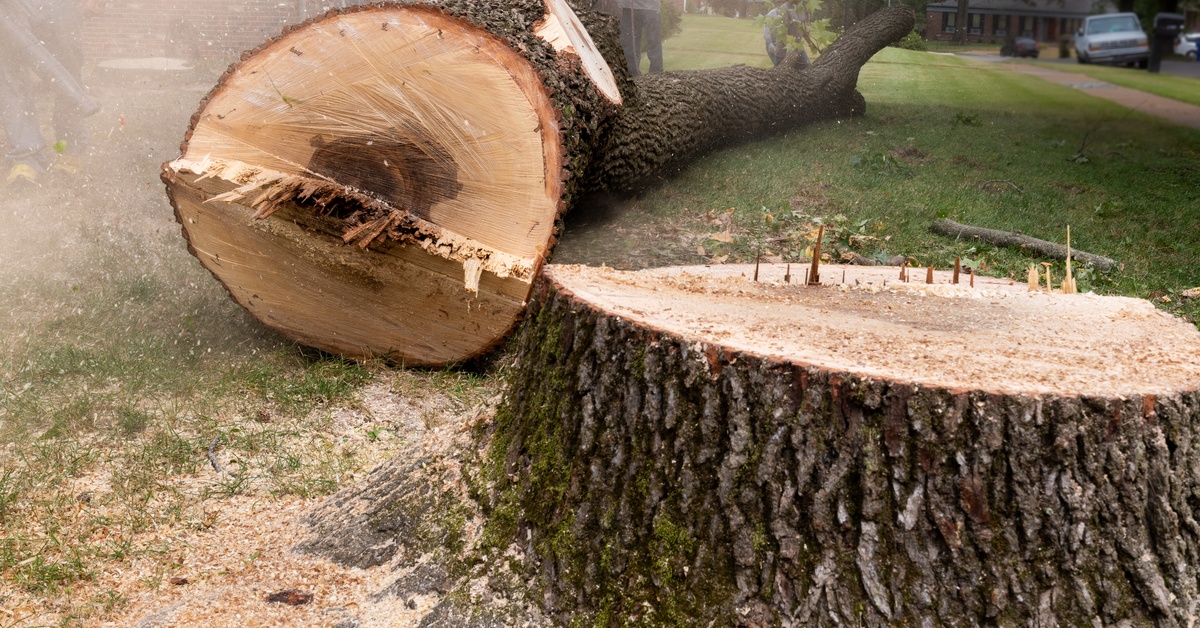
While removing a hazardous tree is crucial, leaving the stump can introduce new risks and liabilities. While it might seem like a cost-saving measure, an abandoned stump poses several problems for property owners.
Trip Hazards and Liability
Stumps are a trip hazard, especially when grass and weeds obscure them. A low-cut stump can be nearly invisible and pose a hazard to children playing, guests, or tenants. For commercial properties, this presents a considerable liability risk, potentially leading to personal injury claims.
Pest Infestations
A tree stump is a comfortable homes for termites, ants, and other wood-boring insects. These pests can establish large colonies within the stump and may eventually migrate to nearby structures, including your home or business. Failing to remove the stump provides a base of operations for pests just steps from your foundation.
Landscaping and Aesthetic Issues
Stumps interfere with landscape maintenance, occasionally damaging lawnmowers and other equipment. They also prevent replanting in the area. Some tree species will continue to grow, sending up new shoots from the stump and roots that compete for nutrients with surrounding plants, requiring ongoing maintenance. A decaying stump is also an eyesore that can lower property value and curb appeal.
Determining When Removal Is the Best Option
While ISA Certified Arborists prioritize preservation through methods such as pruning, cabling, and special disease treatment, tree and stump removal is sometimes the only responsible course of action to improve property safety.
Structural Integrity and Dead Trees
A dead tree poses a significant safety risk. As the wood dries, it loses structural integrity and becomes brittle, making the tree susceptible to collapse under its own weight. To prevent damage to property or injury to individuals, remove dead trees promptly before they crumble or fall.
Storm Damage and Unstable Leans
Significant storm damage often necessitates removal. High winds and lightning strikes can split trunks or sever major root systems. Even if a tree remains standing, it may not have a stable structure.
A tree that leans heavily toward a structure, driveway, or recreational area also presents an unacceptable risk. In these instances, the safety of the structure outweighs the aesthetic value of the tree.
Utility Line Interference
Proximity to power lines requires decisive management to mitigate fire hazards and prevent widespread power outages. While routine trimming can manage minor encroachment, trees too close to utility easements typically require complete removal to guarantee long-term public safety and grid reliability.
Compromised Root Systems
A healthy root system acts as a critical anchor. If construction damage, soil erosion, or disease compromise a tree’s roots, it will lack the strength to withstand the severe weather conditions common in Virginia. Proactively removing trees with unstable foundations is necessary to prevent catastrophic failure and unexpected falls.
Responsible Removal and Environmental Stewardship
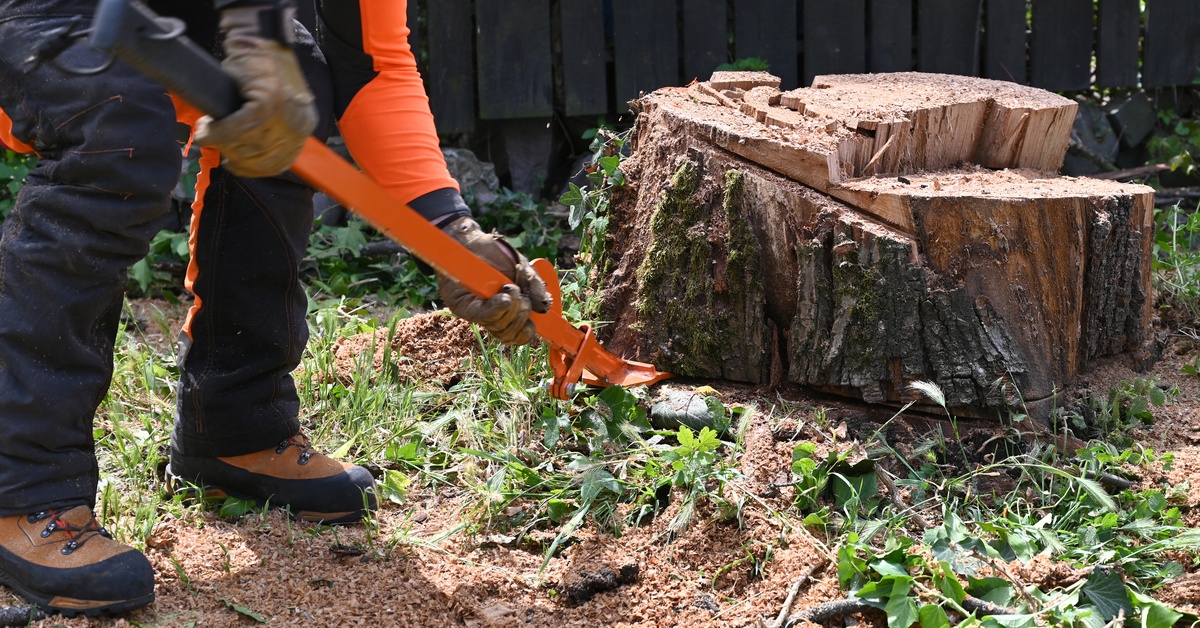
Many property owners hesitate to remove trees because they worry about the environmental impact. At Valley Tree, we believe that property safety and environmental responsibility go hand in hand. Our tree & stump removal services commit to eco-friendly practices that minimize waste and contribute to the local ecosystem. When we remove a tree or grind a stump, the wood does not simply end up in a landfill.
We process the by-products of our work into useful materials. The wood from trees finds new life as firewood, providing a sustainable heating source for the community. Smaller branches and stump grindings undergo processing to become high-quality mulch. This mulch returns to the earth, helping other plants retain moisture, suppressing weeds, and enriching the soil as it decomposes.
Why Professional Standards Matter for Safety
Tree work is among the most hazardous professions, requiring heavy machinery and operations at significant heights. While some homeowners and property managers think they can handle removing a tree or stump themselves, it’s always best to let the professionals handle it. Valley Tree operates in full accordance with ANSI Z133 standards, which represent the industry benchmark for safe tree care operations. These rigorous guidelines encompass everything from personal protective equipment to the establishment of secure drop zones.
Adherence to these professional protocols protects our staff, your family, and your structural assets from harm. Removing the tree or stump yourself or hiring uncertified or uninsured contractors increases your financial exposure and potential liability should an accident occur. Our ISA Certified Arborists also follow ANSI A300 standards to ensure all pruning and removals promote long-term structural stability. This commitment to professionalism guarantees that we complete every project correctly without causing collateral damage to your landscape.
Securing Your Property with Confidence
Maintaining the trees on your property is essential for preserving both the safety of your environment and the character of your home. Professional tree and stump removal eliminates significant liabilities, such as structural hazards and disease spread, effectively securing your outdoor living space. As ISA Certified Arborists serving Roanoke and Christiansburg, Valley Tree provides the technical expertise and specialized equipment necessary to execute complex removals safely and efficiently. Proactive assessment is the best defense against property damage, so contact Valley Tree today to schedule a consultation with our expert team.