Many homeowners use “pruning” and “trimming” as if they mean the same thing. In everyday conversation, that makes sense because both involve cutting branches. In practice, the goal behind the cut changes everything, from which limbs come off to when you should schedule the work. Below, we break down the difference between tree pruning and tree trimming and why it matters for your home and property.
What Tree Trimming Means
Tree trimming focuses on a tree’s shape, size, and appearance. You trim to keep growth in check, improve clearance, and reduce the “overgrown” look that can swallow a yard. Trimming also helps keep branches from brushing your roofline, blocking walkways, or tangling with nearby plants. When you trim the right way, you guide growth instead of fighting it every season.
When Trimming Makes Sense
Trimming works well when a tree looks dense, lopsided, or too close to your home. It also helps when branches block light from reaching your lawn or garden. Many homeowners schedule trimming to keep sightlines open, maintain curb appeal, and prevent minor problems from becoming bigger ones. Trimming should still respect the tree’s structure, so arborists use selective cuts instead of “topping” or shearing everything evenly.
What Tree Pruning Means
Tree pruning targets tree health, safety, and long-term structure. You prune to remove dead, diseased, damaged, or crossing branches that weaken the tree over time. Pruning also reduces risk by taking weight off stressed limbs and improving how the canopy handles wind. When you prune with purpose, you help the tree heal, grow stronger, and avoid preventable failures.
Why Pruning Requires More Expertise
Pruning asks a different question than trimming: “Which cuts will improve this tree’s future?” The answer depends on species, age, growth pattern, and where the tree sits on your property. A poor cut can invite decay, weaken attachment points, or trigger chaotic regrowth. That’s why an arborist-led approach matters when you suspect disease, structural issues, or storm-related damage.
The Quick Difference in Plain English
Now that we understand the basics of tree pruning and tree trimming, what’s the difference? Trimming manages the outside of the tree, while pruning improves what the tree can do over time. Trimming typically aims for clearance and appearance, while pruning focuses on health, risk reduction, and strong structure. Both can overlap in a well-planned job, but the intent should stay clear before anyone starts cutting.
Timing: When Should You Schedule Trimming or Pruning?
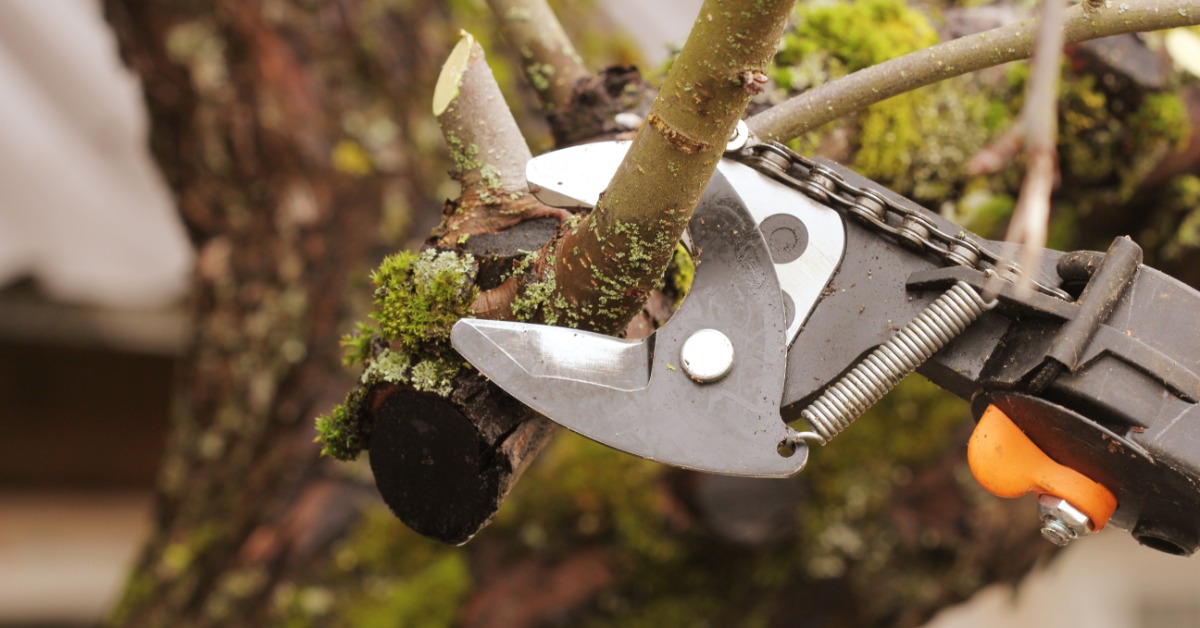
Homeowners frequently ask for a single best month to schedule tree maintenance services, but timing depends on the tree and the goal. Some trees respond best when dormant, while others tolerate light work in other seasons.
If you worry about safety, you should prioritize risk reduction over “perfect timing,” especially after storms. A local crew that works with regional tree types can recommend the safest window for your specific yard.
What To Avoid
Avoid aggressive cutting that removes too much canopy at once, especially during stressful weather. Heavy cuts can shock a tree, trigger weak regrowth, and make future maintenance harder. Avoid “topping,” which forces fast, brittle sprouts and can create long-term hazards. If someone suggests drastic reductions without explaining the tree’s structure and recovery, treat that as a red flag.
How Much Work Is Too Much?
A tree needs leaves to produce energy. When you remove too much living growth, the tree struggles to recover and becomes more vulnerable to pests and decay. A good plan balances what you want with what the tree can handle. Your provider should explain what they will remove, why they will remove it, and how the tree should respond afterward.
What The Process Looks Like from Start to Finish
Most homeowners want to know what happens once they call. The process usually starts with a quick evaluation of the tree’s condition, surroundings, and access points. Next, the crew recommends trimming, pruning, or a combination, then explains the approach and safety plan. After the work, they clean up debris and may turn the byproducts into mulch or firewood when appropriate.
What a “Low-Impact” Approach Looks Like
A careful crew protects your lawn and landscaping while they work. They plan drop zones, use rigging to control heavy limbs, and limit damage to surrounding plants. They also haul away or recycle debris so you don’t face a pile of branches for weeks. If your property has tight access, they should talk through equipment needs before the workday.
Timeline Expectations for Homeowners
Timeline depends on the number of trees, canopy density, access, and risk level. A straightforward trimming or pruning job can finish in a single visit. Some properties need staged work, especially if the crew needs special rigging or must avoid damaging landscaping. If a tree poses an immediate hazard after a storm, emergency scheduling may move it to the front of the line.
What To Ask When You Want a Clear Timeline
Ask how long the on-site work should take for your specific trees. Ask what could extend the job, such as tight access, heavy limbs over structures, or unexpected decay. Ask what cleanup looks like and whether hauling and recycling happen the same day. When you ask these questions up front, you avoid surprises and plan your week more easily.
Cost Expectations: What Drives the Price
Costs vary widely because every tree and yard presents different risks. Crews price the work depending on the size of the tree, the complexity of the cuts, and where the tree sits. They also consider access, crew size, equipment needs, and how much hauling the job requires. If you want a useful price expectation, focus on the factors that move the quote rather than hunting for a one-size-fits-all number.
Common Factors That Increase Cost
A tree that hangs over a roof, driveway, or power line takes more time and control. Tight backyards can require more labor or special equipment to move debris safely. Large diameter limbs and heavy wood demand rigging and careful lowering to protect property. If the crew finds decay or structural weakness, they may adjust the plan to reduce risk, which can also change pricing.
When You Should Call an Arborist Instead of “Just Trimming”
Some situations call for more than shaping. If you see mushrooms near the base, large cracks, hollow areas, or major deadwood, you should request an arborist evaluation. If a tree leans more than previously, drops large limbs, or shows sudden thinning in the canopy, you should treat it as a health or safety issue. An arborist can tell you whether pruning can correct the problem or whether removal makes more sense.
Ready To Take the Next Step?
If you want clearer answers on what your trees need, schedule a professional evaluation and get a written scope. That conversation helps you set realistic timeline and cost expectations based on your yard, not generic advice. For homeowners looking for tree maintenance in the Blacksburg and Roanoke area, Valley Tree can walk you through the options, recommend the right cuts, and leave your property clean with a low-impact approach. Reach out for a free consultation and estimate so you can protect your trees and your home with confidence.